
Lawn Mowing for a Healthy Yard
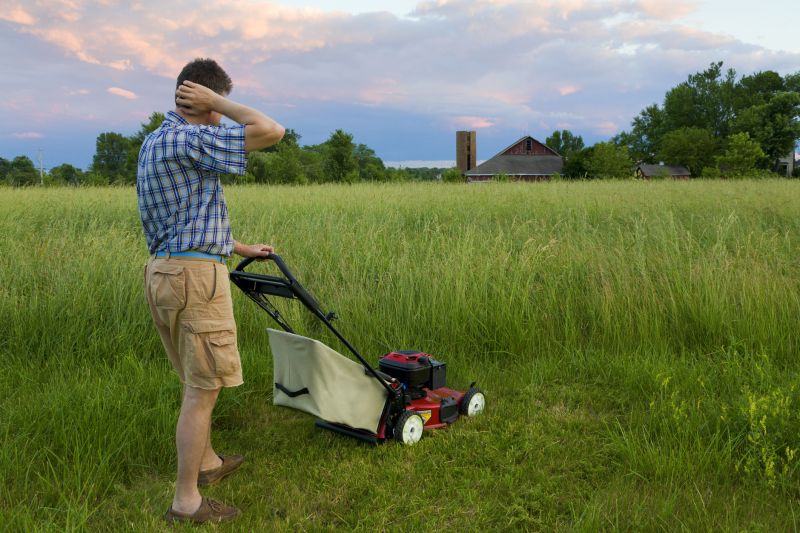
Mowing early in the day ensures grass is dry and reduces the risk of disease.
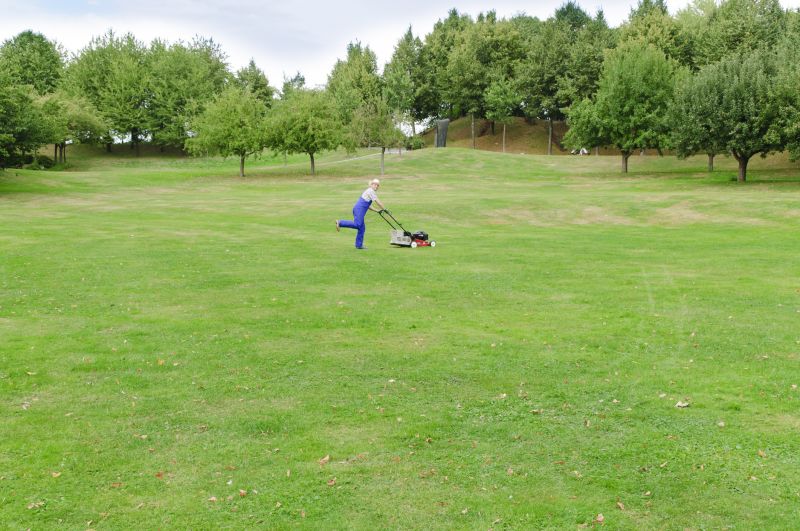
Late afternoon mowing can be effective as grass has recovered from midday heat.
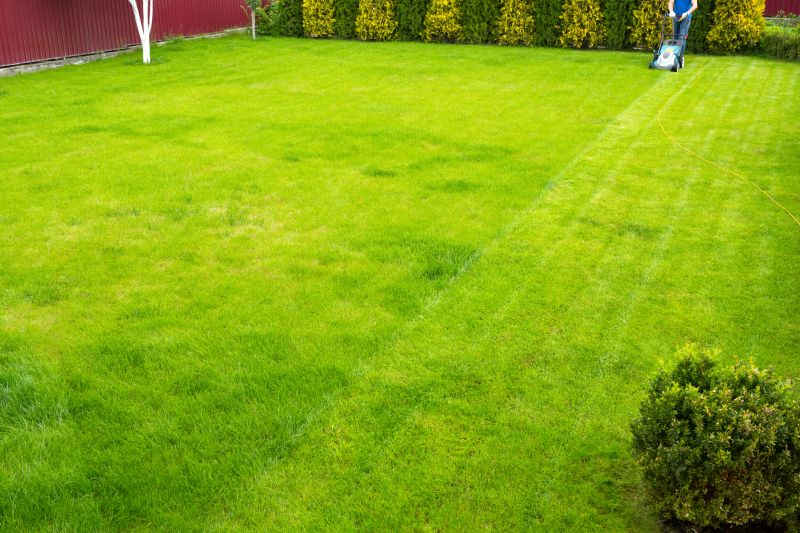
Adjust mowing times based on seasonal growth patterns for optimal lawn health.
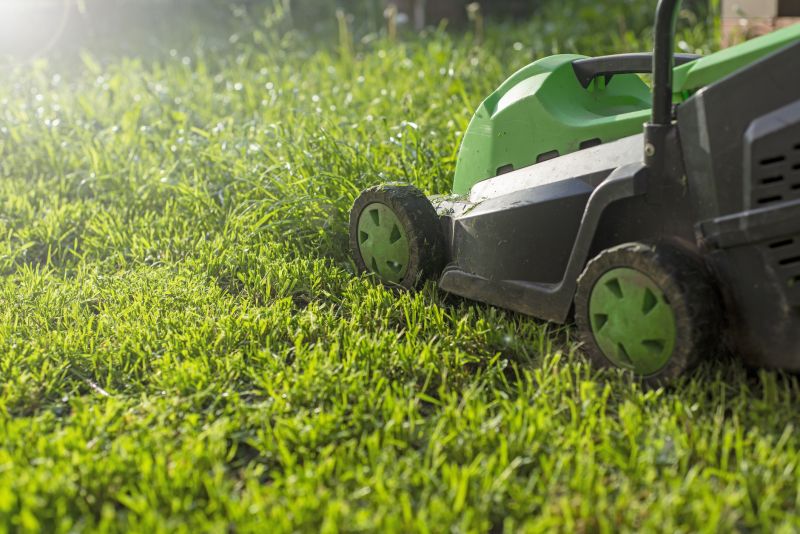
Avoid mowing during or immediately after rain to prevent soil compaction and uneven cuts.
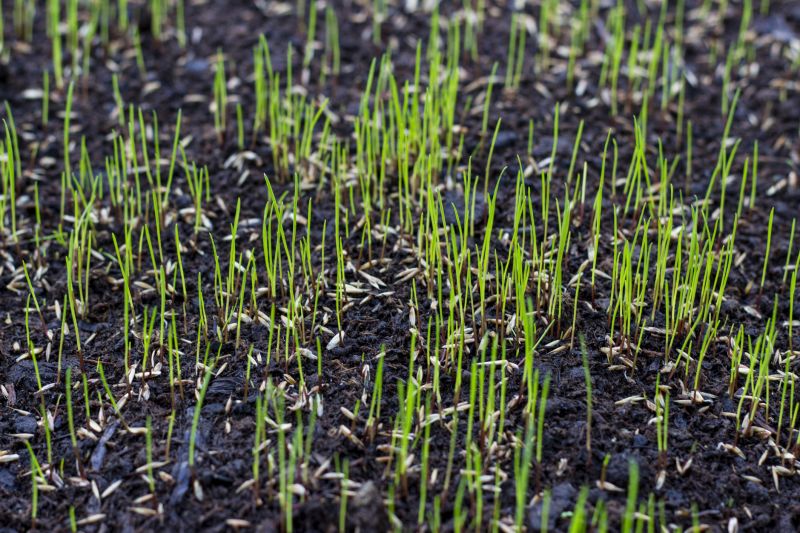
Mow when grass reaches a height of about 3 inches to promote healthy growth.
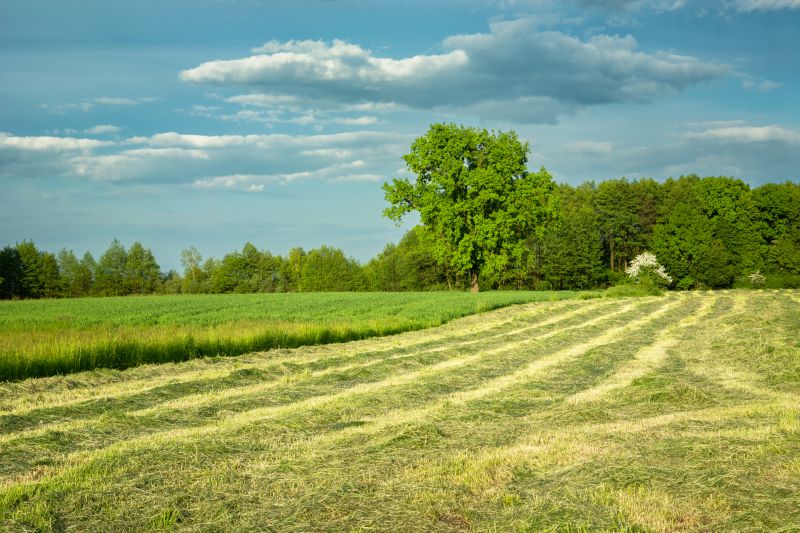
During peak growing seasons, mowing once a week is typical; in slower periods, every two weeks may suffice.
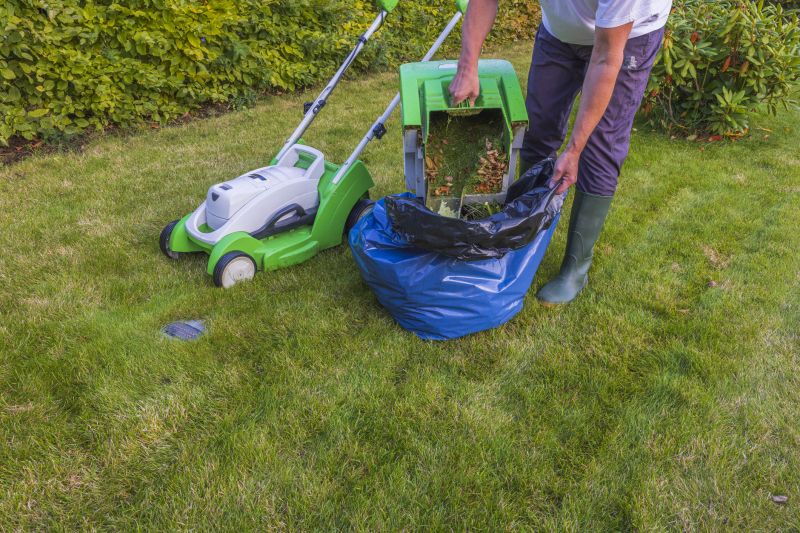
Ways to make Lawn Mowings work in tight or awkward layouts.
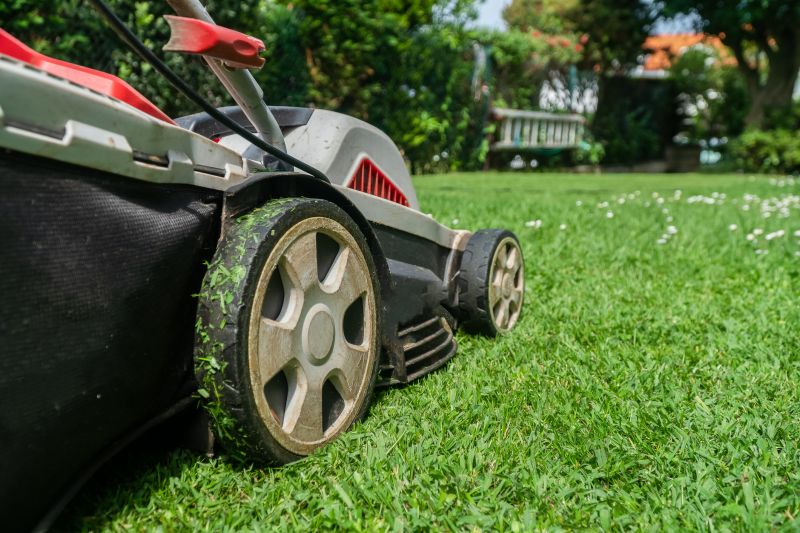
Popular materials for Lawn Mowings and why they hold up over time.
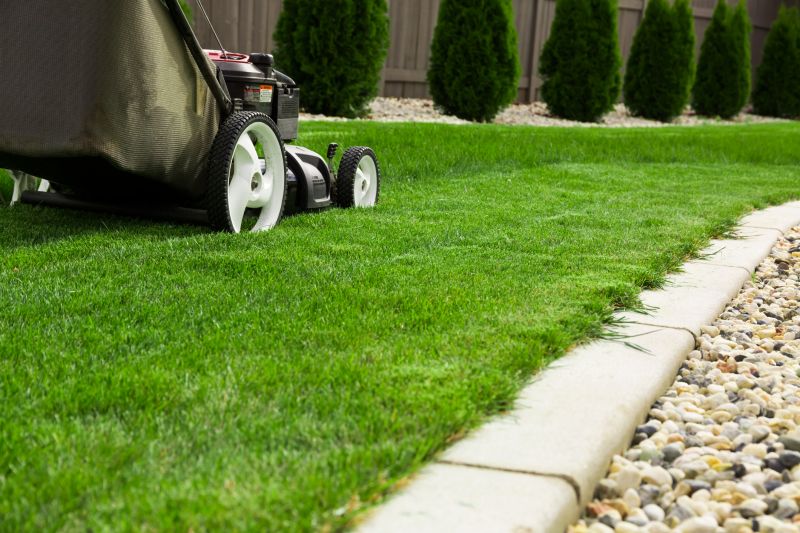
Simple add-ons that improve Lawn Mowings without blowing the budget.
Lawn mowings are essential for maintaining a healthy and attractive yard. Regular mowing encourages dense growth, which can prevent weeds from establishing. Proper mowing height varies depending on grass type but generally ranges from 2.5 to 3.5 inches. Cutting too short can weaken the grass, making it more susceptible to pests and diseases, while leaving it too tall can promote thatch buildup and uneven growth. On average, lawns are best mowed once a week during the peak growing season, which typically occurs in spring and summer.
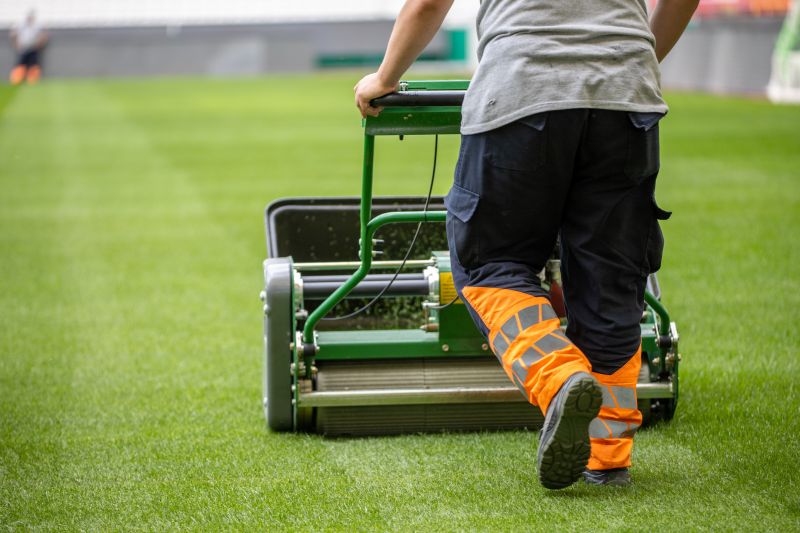
Using sharp blades and appropriate equipment ensures clean cuts and healthy grass.
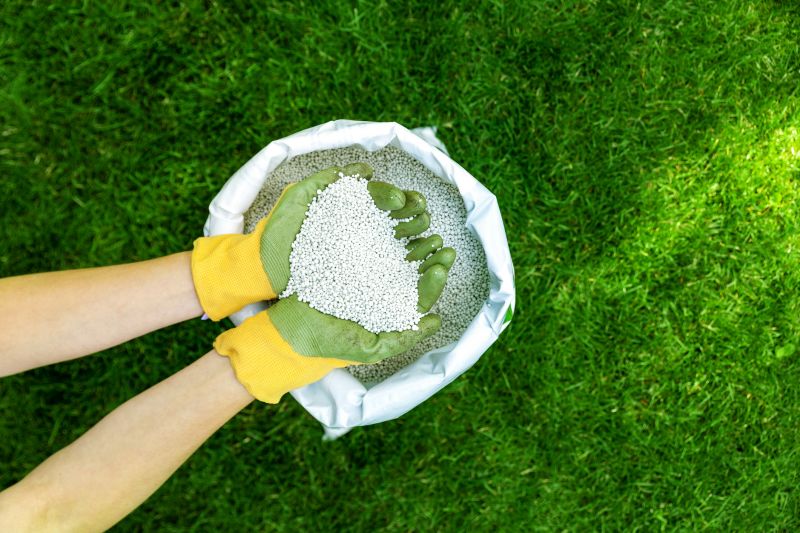
Leaving grass clippings on the lawn can provide natural fertilization and moisture retention.
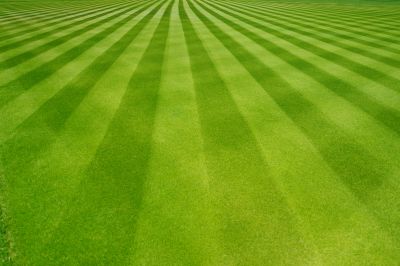
Changing mowing directions regularly prevents soil compaction and promotes even growth.
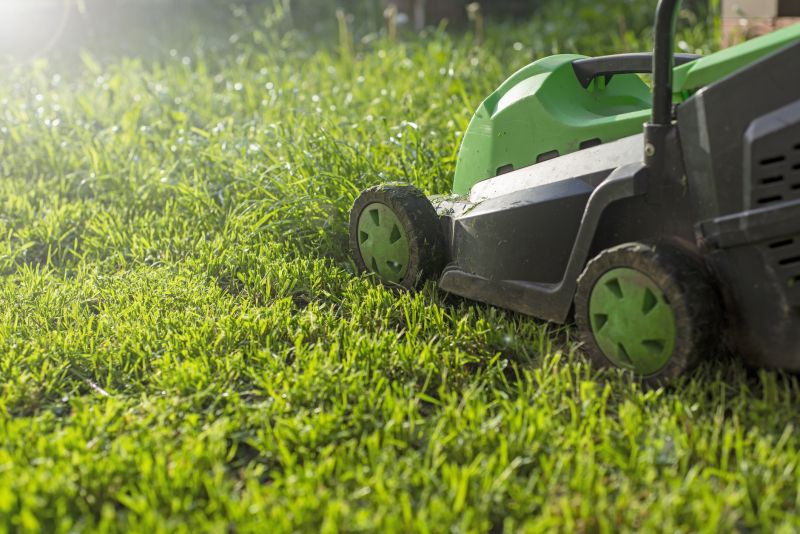
High-end options that actually feel worth it for Lawn Mowings.
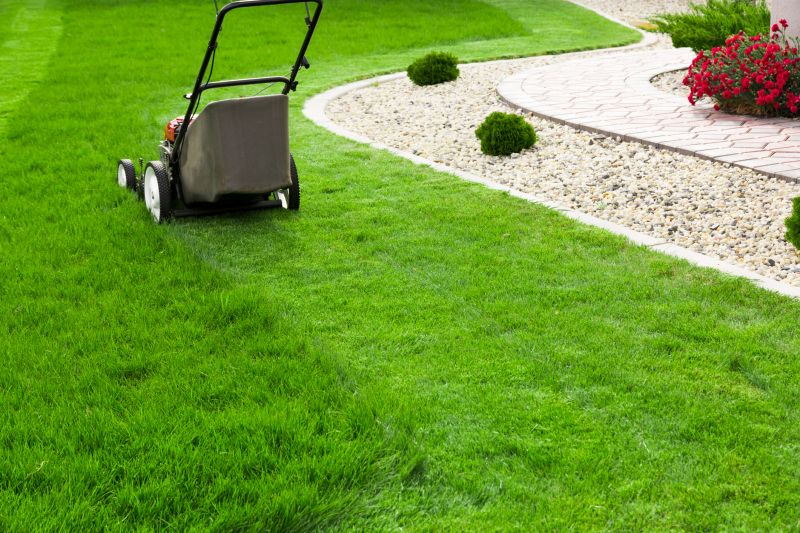
Adjust mowing practices to match seasonal growth rates and weather conditions.
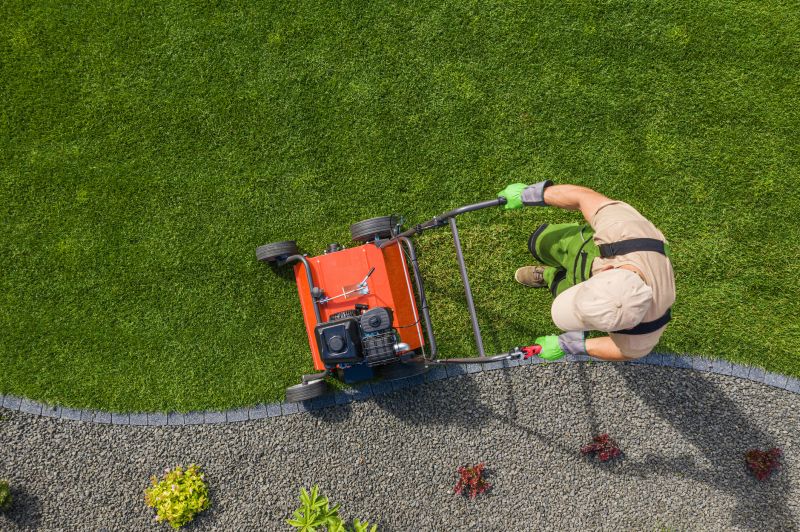
Always follow safety guidelines to prevent injuries during mowing.
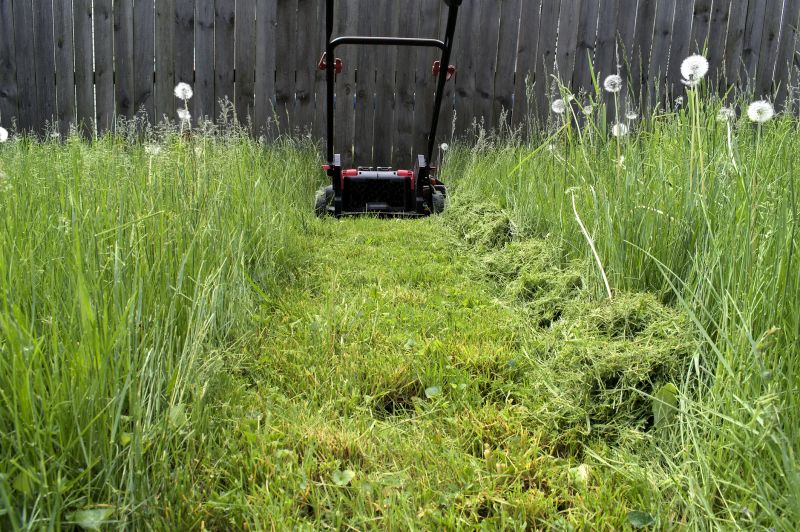
Different grass types require specific mowing heights for optimal health.
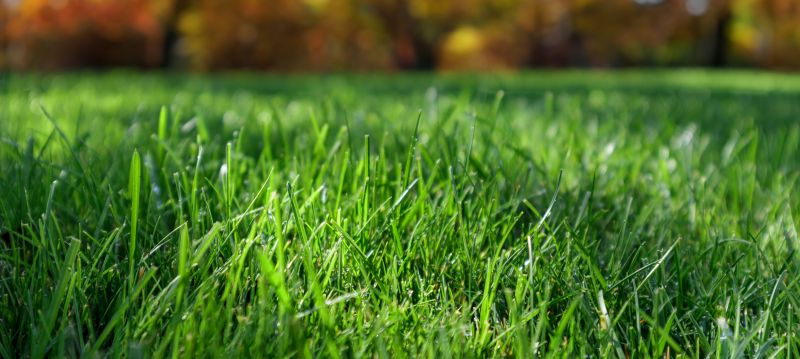
Be mindful of environmental factors such as drought or heavy rain when scheduling mowings.
| Best Mowing Time | Recommended Practice |
|---|---|
| Early Morning | Ideal for dry conditions and avoiding heat stress. |
| Late Afternoon | Suitable when grass has recovered from midday heat. |
| Spring | Mow more frequently as grass begins active growth. |
| Summer | Adjust frequency based on growth rate and weather. |
| Fall | Reduce mowing as growth slows, but keep grass healthy. |
| After Rain | Wait until grass is dry to prevent soil damage. |
| During Drought | Limit mowing to reduce stress on the lawn. |
Understanding the optimal times for lawn mowings can significantly enhance turf health and appearance. Proper timing ensures grass remains vigorous, resilient, and visually appealing. Factors such as weather, grass type, and seasonal growth patterns should influence mowing schedules for best results.
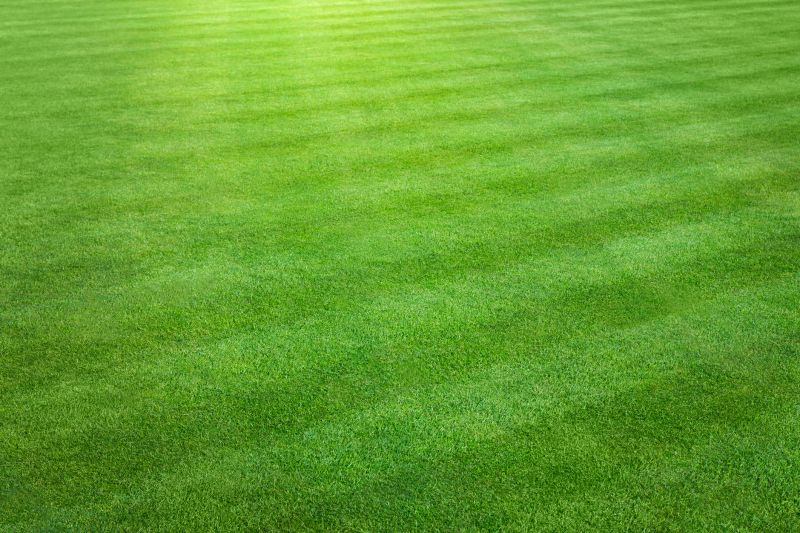
Regular mowing maintains a lush, dense turf.
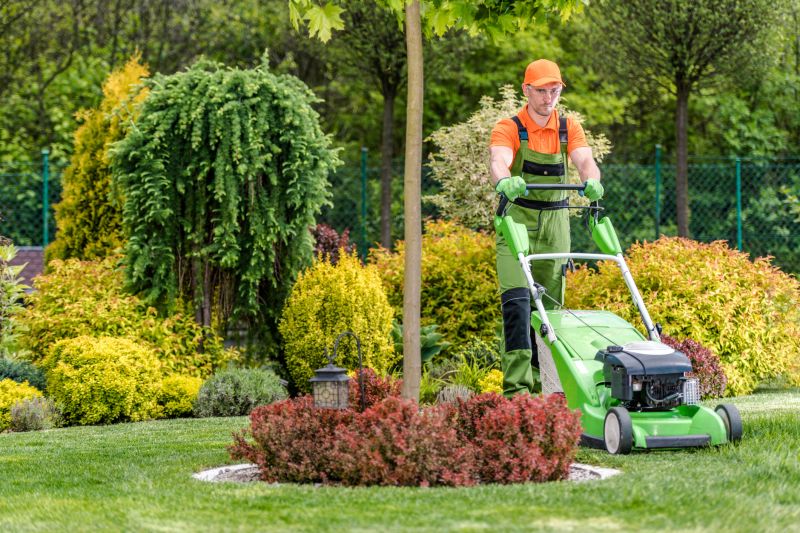
Proper tools and maintenance improve mowing quality.
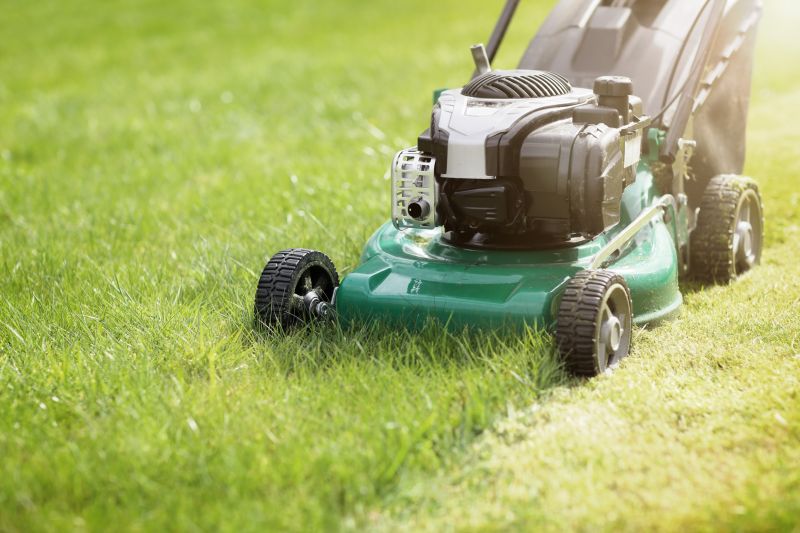
Use appropriate blades and safety gear for effective mowing.
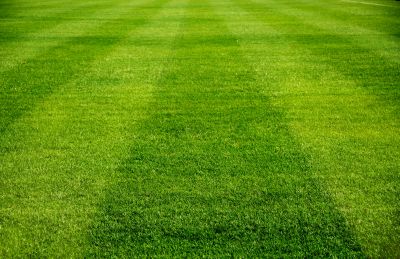
Consistent practices support long-term lawn health.
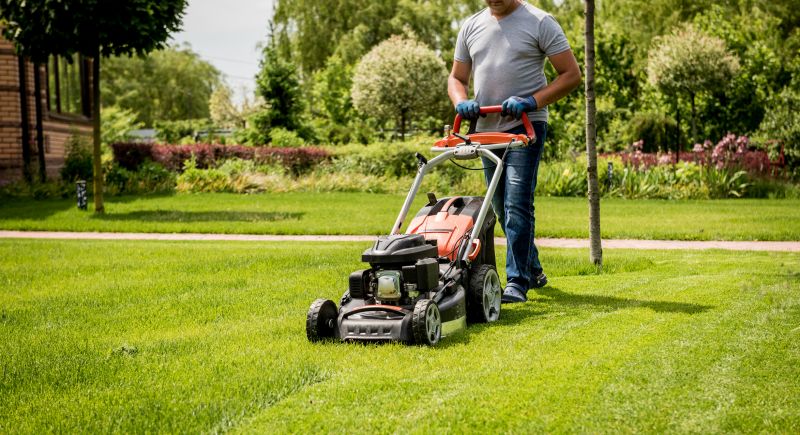
Finishes and colors that play nicely with Lawn Mowings.
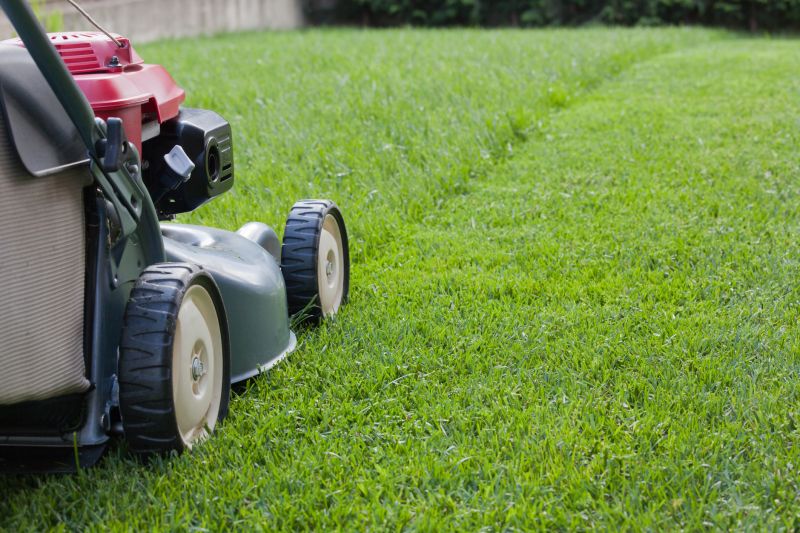
Little measurements that prevent headaches on Lawn Mowings day.
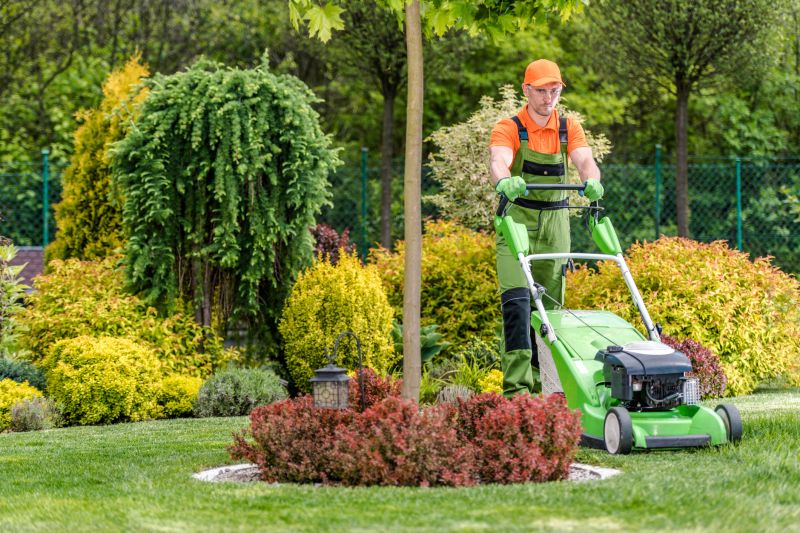
A 60-second routine that keeps Lawn Mowings looking new.
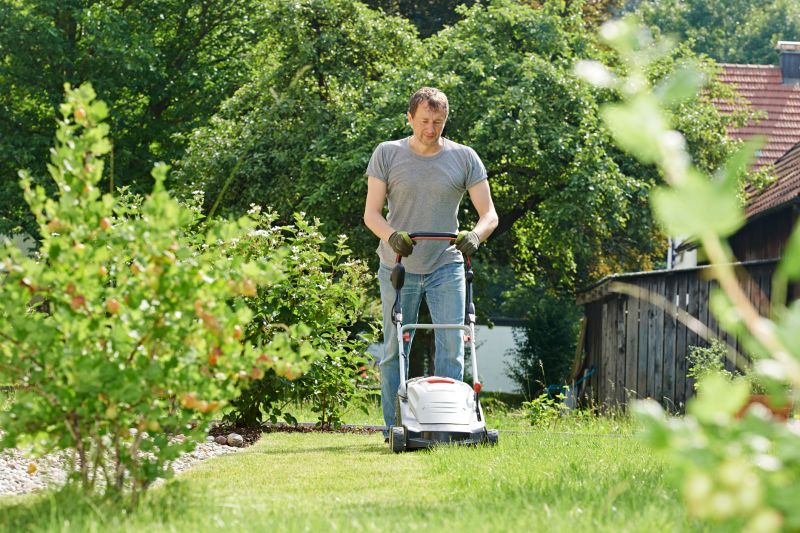
A frequent mistake in Lawn Mowings and how to dodge it.
Interested in professional lawn mowings? Filling out the contact form can provide more information about scheduling and services available in Kennewick, WA. Proper timing and maintenance are key to a thriving lawn.
Small tweaks to make Lawn Mowings safer and easier to use.
Lower-waste or water-saving choices for Lawn Mowings.
The short, realistic tool list for quality Lawn Mowings.